
Introduction
Electrical connectors are frequently subjected to environmental factors, moisture, and dust, which can result in corrosion, short circuits, and system failure. Particularly, it happens when used in automotive, outdoor, and industrial applications where exposure is a given; waterproofing protects these connections and ensures long-term reliability.
Why is Waterproofing Electrical Connectors Important?
Water penetration into a connector may result in oxidation, increased resistance, inconsistent signals, and even complete electrical failure. This eventually results in costly repairs and system failures. By sealing and protecting the connection from environmental damage, proper waterproofing prevents these types of issues.
Common Methods for Waterproofing Electrical Connectors
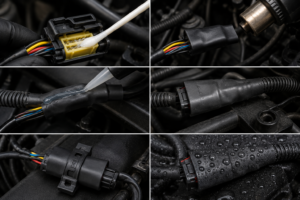
Electrical connections may be sealed in several ways, depending on the need. Heat shrink tubing, silicone sealants, liquid electrical tape, waterproof connection housings, and grease-based protection are a few of these. Each technique provides different degrees of sealing, flexibility, and durability.
Step-by-Step Guide to Waterproof Electrical Connectors
The first step in waterproofing is to switch off the power and prepare the wiring for dry, clean conditions. The wires are connected by soldering or crimping after the proper connector has been selected. After that, heat shrink tubing or sealant is applied to seal the connection, ensuring there are no gaps that are open where moisture could enter. Lastly, before the connection is put into service, it is tested.
Testing and Maintenance of Waterproof Connections
Connections should be inspected to make sure they are correctly sealed and operating after installation. Regular checks throughout time help in identifying corrosion, cracks, and worn seals. To maintain reliability, maintenance may involve replacing damaged connectors or reapplying sealant.
Common Mistakes to Avoid
Simple mistakes like improperly cleaning the wires, utilizing the incorrect sealing method, leaving minor gaps, or selecting connectors that are not environmentally approved are the main cause of many waterproofing failures. If installed incorrectly, even high-quality materials can fail.
Conclusion
Electrical connectors must be waterproofed to avoid corrosion, electrical fails, and costly damage. You can greatly increase the lifespan of electrical systems by choosing the right technique, following to proper installation procedures, and performing periodic maintenance. To ensure more solid and dependable electrical connections, engineers sometimes combine waterproofing methods with protective connector greases like NYOGEL 760G to improve resistance against moisture, vibration, and extended outdoor exposure.