
The Mystery of a Failing Connection
Have you ever seen a machine or device suddenly stop working, even if everything looks fine? This is a common sign of fretting corrosion.
At first, the connection may look clean and strong. It may even work again after restarting. But after some time, the same problem returns. When this happens, the real cause is often hidden damage inside the contact points.
Fretting corrosion is a type of wear and corrosion that happens when two metal surfaces are pressed together and move slightly against each other. These movements are very small, often caused by vibration. Over time, they damage the surface and lead to failure.
What Is Fretting Corrosion?
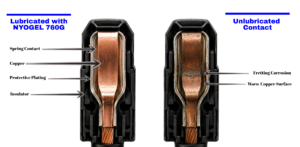
Fretting corrosion is damage that happens when metal parts touch each other and slowly rub due to small movements.
Even if the movement is too small to see, it still causes wear. The protective layer on the metal gets removed. Fresh metal is exposed. Then air and moisture react with it, causing rust or oxidation.
This can lead to poor contact, weak performance, or full system failure.
Fretting corrosion is common in:
-
Electrical connectors
-
Engines and machines
-
Vehicles
-
Industrial equipment
🔗 Related reading: https://www.sciencedirect.com/topics/engineering/fretting-corrosion
What Causes Fretting Corrosion?
Fretting corrosion happens because of small repeated movements. Here are the main causes:
1. Vibration
Machines and vehicles always vibrate when running. Even tight parts can move slightly because of this vibration.
2. Temperature Changes
When the temperature goes up and down, metal expands and contracts. This creates small movements between connected parts.
3. Heavy Load
Strong pressure or weight can shift parts slightly over time.
4. Constant Small Movement
Even very tiny movements can cause damage if they happen again and again.
How Fretting Corrosion Develops
Fretting corrosion builds up slowly. It does not happen all at once.
First, two metal surfaces are pressed together. Electricity or signal flows normally. Everything seems fine.
Then the vibration starts. The movement is too small to notice, but it is enough to cause rubbing between surfaces.
This rubbing slowly removes the protective layer of the metal. Fresh metal becomes exposed. When this metal meets air and moisture, it starts to corrode.
Over time, small particles build up at the contact point. This makes the connection weaker. At first, the system may work sometimes and fail at other times. Later, it may stop working completely.
🔗 Reference: https://www.azom.com/article.aspx?ArticleID=1306
Problems Caused by Fretting Corrosion
Fretting corrosion can lead to several issues:
-
Weak or unstable connections
-
Signal loss or interruption
-
Increased resistance
-
Random system failure
-
Full breakdown of equipment
Even small damage can cause big problems in sensitive systems.
How to Prevent Fretting Corrosion
The best way to stop fretting corrosion is to reduce friction and protect the metal surface.
One simple solution is to use special lubricants. These products create a thin protective layer between metal surfaces.
They help by:
-
Reducing rubbing and wear
-
Blocking moisture and air
-
Preventing rust or oxidation
-
Keeping connections stable
-
Extending the life of parts